Guide
Washing sleepwear so it lasts a second winter
A care label is a legal document with a very small vocabulary. Once you know what it must say and what it may omit, most of the mystery about why sleepwear ages badly turns into three or four ordinary habits.
Published 7 September 2026 · 14 minute read · sources read 7 September 2026
Start with the piece
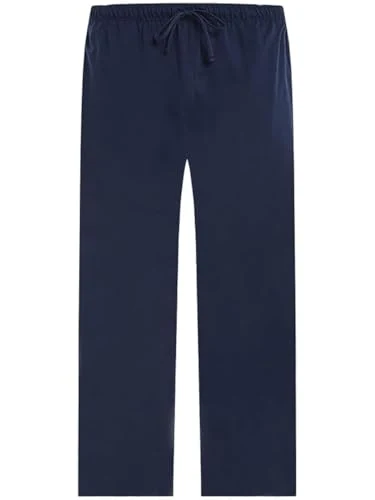


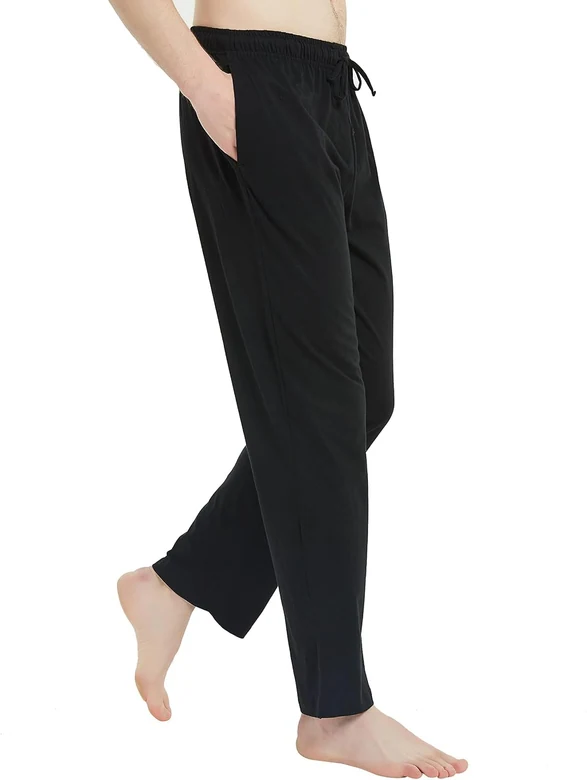
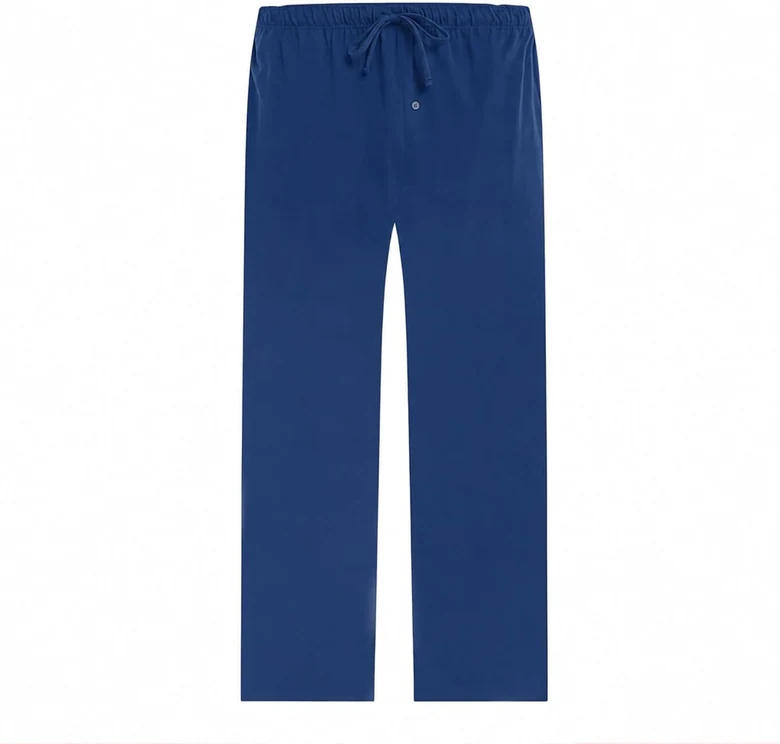
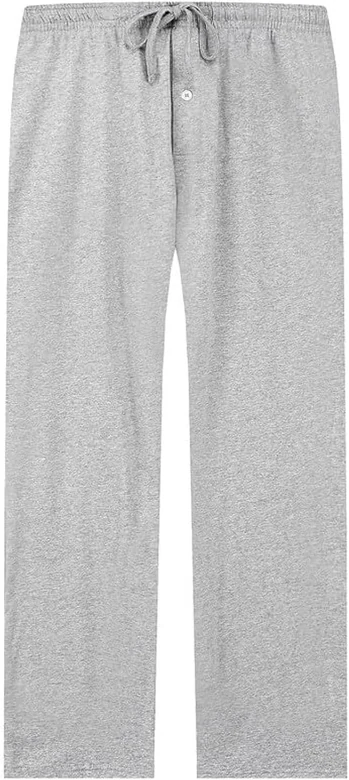
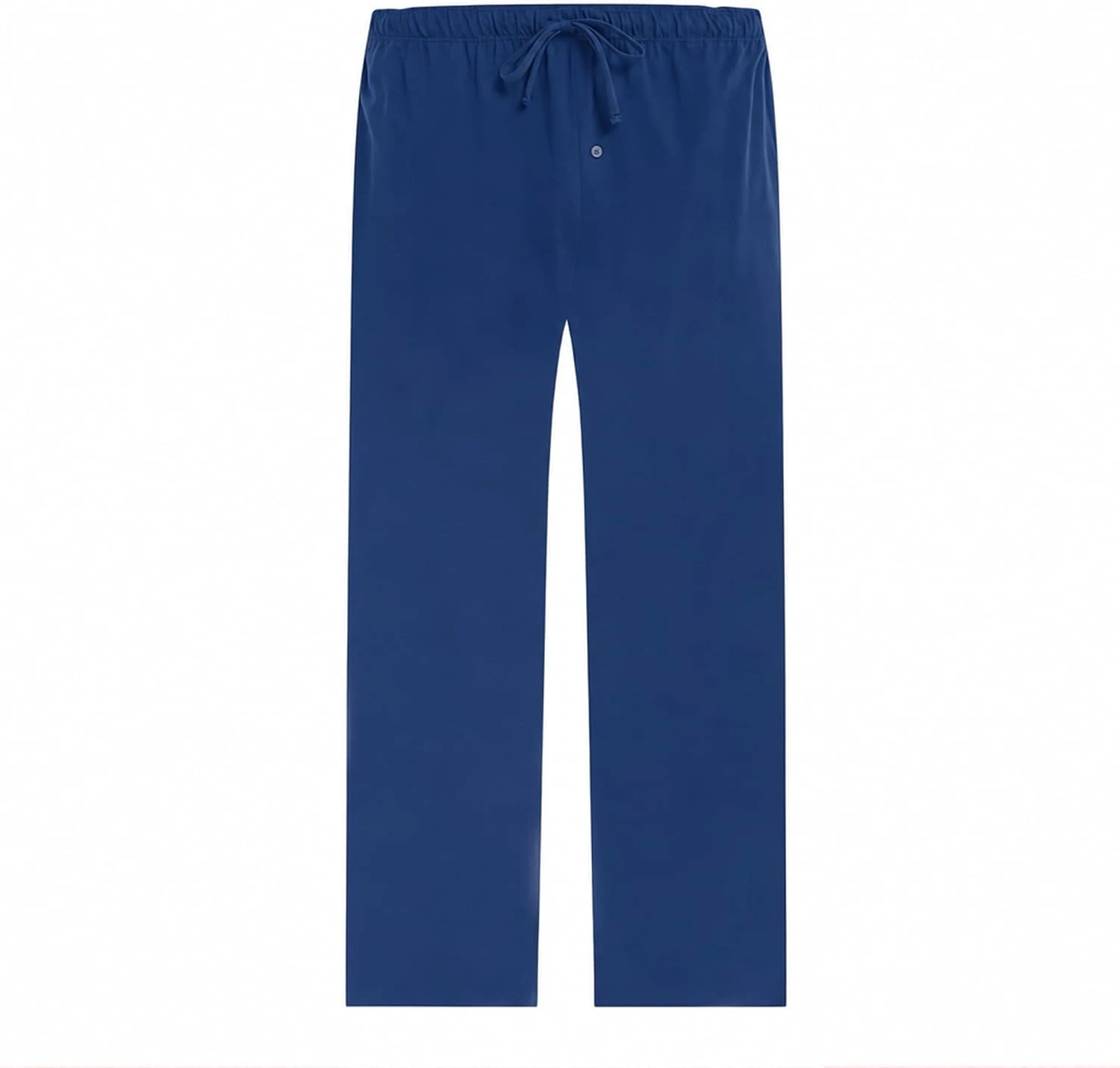
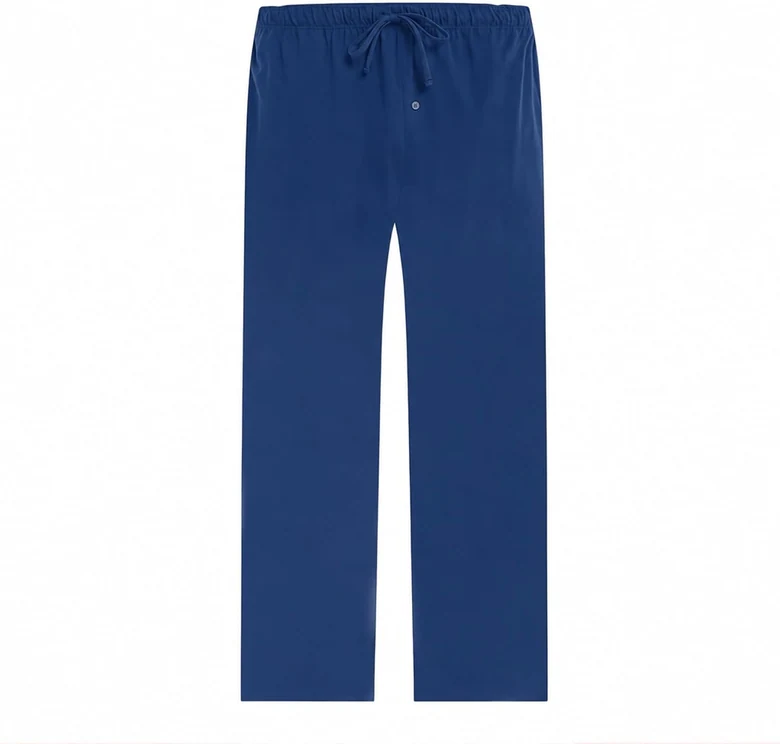
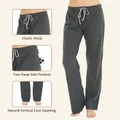
Men's Cotton Pajama Pants, Royal Blue
cotton
4.4 out of 5 · 6,802 ratings
Size XL only in this colour
$14.99
The label is a minimum, not advice
The tag sewn into the side seam of a pyjama bottom is not the maker's advice. It is a regulated statement with a fixed minimum, and once you read it that way the gaps stop being mysterious. The rule sets a floor:
Care labels must state what regular care is needed for the ordinary use of the product.
16 CFR 423, Electronic Code of Federal Regulations, read 7 September 2026
Regular care, ordinary use. Not best care, not how to make it last longest. A label that says machine wash warm, tumble dry is telling you the garment will survive that, not that it will look its best afterwards. Most of what follows is the difference between those two things.
317 of the 573 pages here state machine washing on the label. That is the floor for those pieces, and everything below is about the ceiling.
What it must tell you
The rule is specific about which instructions have to appear and which are conditional. Laid out plainly:
| Instruction | Required? | What the label must include |
|---|---|---|
| Washing | Yes | By hand or by machine, plus a water temperature that may be used |
| Drying | Yes | By machine or another method, plus a temperature if machine drying is called for |
| Bleach | Only if it matters | A warning if all bleaches would harm the product |
| Ironing | Only if regularly needed | With a temperature, unless a hot iron does no harm |
| Drycleaning | One or the other | Either a washing instruction or a drycleaning instruction, not necessarily both |
The drying line is the one people skip, and it is the one that does the damage:
The label must state whether the product should be dried by machine or by some other method.
16 CFR 423, Electronic Code of Federal Regulations, read 7 September 2026
Machine or some other method. That is a real choice being offered, and on fleece and knit the other method is usually the better one.
What it is allowed to leave out
Now the omissions, which are legal and which explain most of the confusion. Ironing does not have to be mentioned at all unless the garment needs it regularly. A label with no ironing line is not telling you never to iron. It is telling you the garment does not need it as a matter of course.
The same goes for bleach: no bleach line means no warning was required, not that bleach is safe. And the rule has one striking provision for the pieces that cannot be cleaned at all:
If the product cannot be cleaned by any available cleaning method without being harmed, the label must so state.
16 CFR 423, Electronic Code of Federal Regulations, read 7 September 2026
Which is a sentence worth remembering the next time a label seems too short. If it does not say that, the garment can be cleaned somehow, and the label has told you the cheapest way that works.
What the fibre line adds
A second rule governs what the fabric is made of, and the fibre content on our pages comes from that label rather than from a description. Knowing that a fleece is polyester and a set is all cotton predicts the wash behaviour better than any symbol on the care tag does.
From the bench


Tumble dry is a permission, not an instruction
The most misread line in the whole rule is the definition of the tumble dry symbol:
Tumble dry means that a high, medium, or low temperature setting can be used.
16 CFR 423, Electronic Code of Federal Regulations, read 7 September 2026
Can be used. It is a ceiling, not a recommendation, and there is no obligation anywhere in the rule to name a lower temperature that would be gentler. High heat is what shrinks cotton, mats fleece and takes the spring out of a knit cuff, and a label that permits it is not endorsing it.
The practical translation is short. Low heat, or no heat, on everything on this site. The only cost is time.
Fleece: pilling is mechanical, not chemical
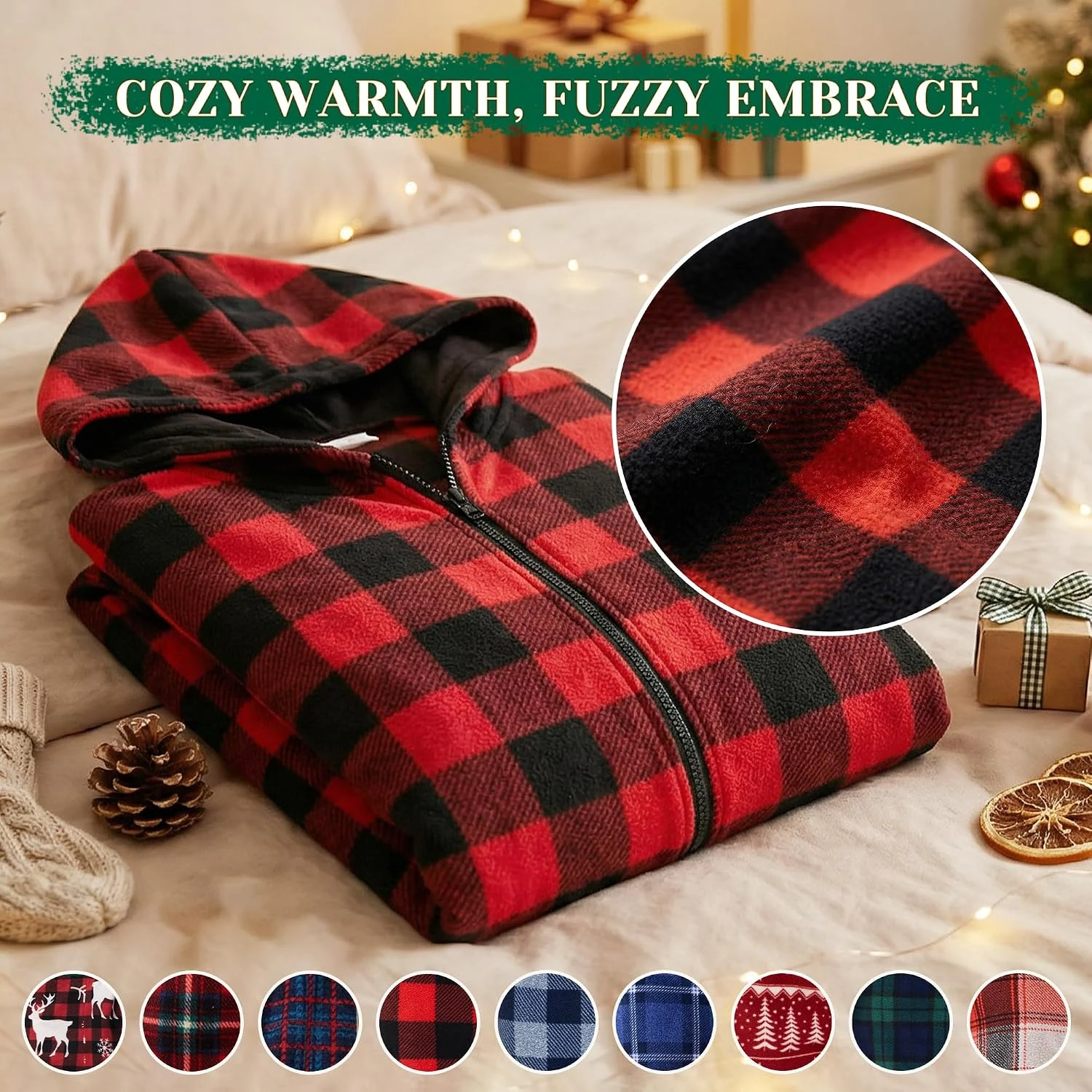
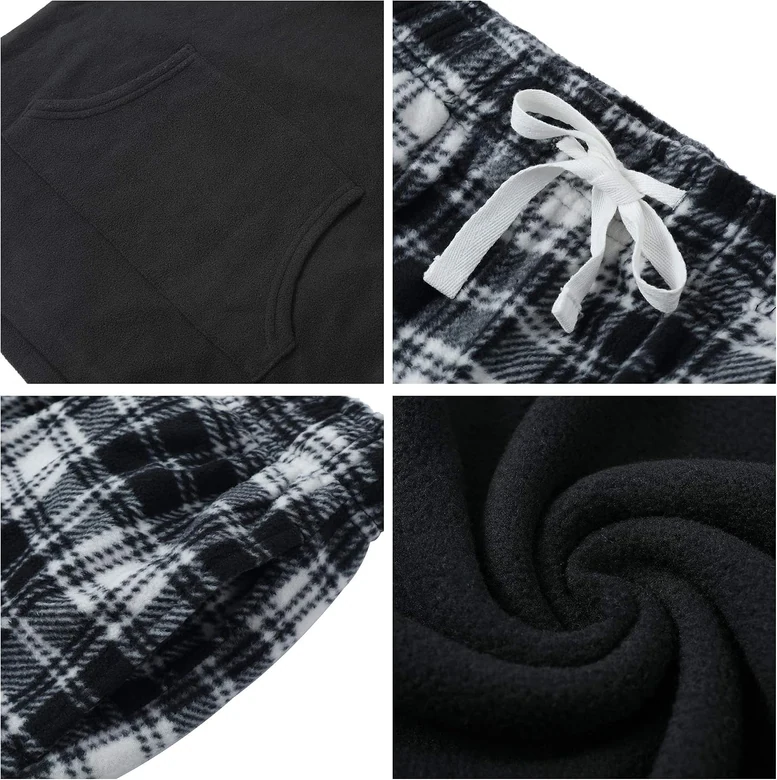
215 pages here are fleece, and fleece ages by a mechanical process rather than a chemical one. The brushed pile is a field of loose fibre ends. Rubbing tangles them into small balls, and heat softens the polyester enough to set the tangle permanently. That is pilling, and it happens at the cuff, the seat and the inside of the thigh because those are the places that rub.
Three things slow it down measurably. Wash inside out, so the pile rubs against itself rather than against the drum. Skip the fabric softener, which coats the fibres and makes them cling. And dry on low, because the heat is what makes a temporary tangle permanent.
What none of that does is prevent it. A fleece robe worn every evening for two winters will have a matted collar, and that is the fibre doing what the fibre does.

Cotton: the first shrink and the ones after
Woven cotton shrinks, and it does most of the shrinking on the first hot wash. 126 pages here are all cotton, and on those the first wash is the one that decides the size you keep.
Cold water reduces the first shrink to almost nothing. Hot water plus a hot dryer takes a set down most of a size, which is exactly the effect people describe when they say a set fitted at first and then did not. Buying a size up to leave room for it is the wrong fix: the shrink is not evenly distributed, so the top comes back short in the body while staying wide across the chest.
Then it stops
After the second or third wash, cotton is done moving. A set that still fits after three cold washes will fit for its whole life, which is the reassuring half of this section.
Knit and satin: heat is the whole story
Knit stretches under weight and recovers when it dries flat. Hang a wet knit top by the shoulders and gravity pulls half an inch of length into it that never fully comes back. 81 pages here are knit, and drying flat is the single habit that keeps them the shape they arrived in.
Satin is the fussiest fabric in the catalogue and the easiest to protect: 18 pages, all of which snag on zips, hooks and anything with velcro. A mesh bag solves it entirely. Heat is the other enemy, and satin needs none of it at any stage.
Four habits, in order of payoff
If you read nothing else, these four, in the order that pays back most:
- Cold water, always. It removes almost the entire shrink risk on cotton and most of the pilling risk on fleece, and modern detergents are formulated for it.
- Low heat or no heat when drying. The second biggest cause of a garment looking old while measuring the same.
- Fleece inside out, and no softener. Two changes to a habit you already have, and the collar of a robe survives a second winter because of them.
- Wash the two halves of a set together. They fade at the same rate then, and a set where the top is a shade lighter than the bottom looks worn out long before it is.
None of that is on the label, and none of it needs to be. The label promises survival at the settings it names. These four habits are about how it looks in the second year.
From the bench







Detergent, softener and the things that do nothing
Three products get bought for sleepwear that do nothing useful, and one that does.
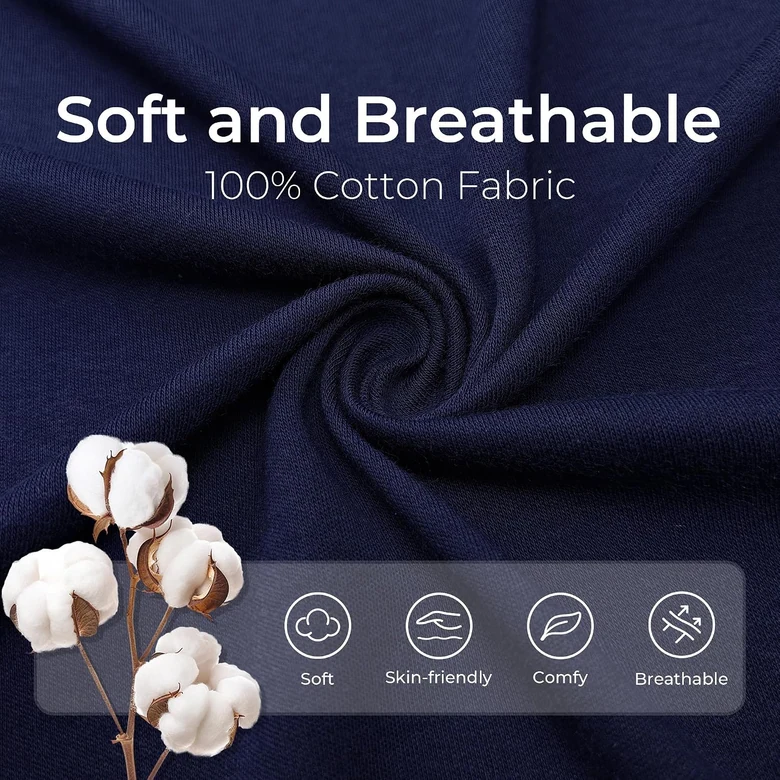
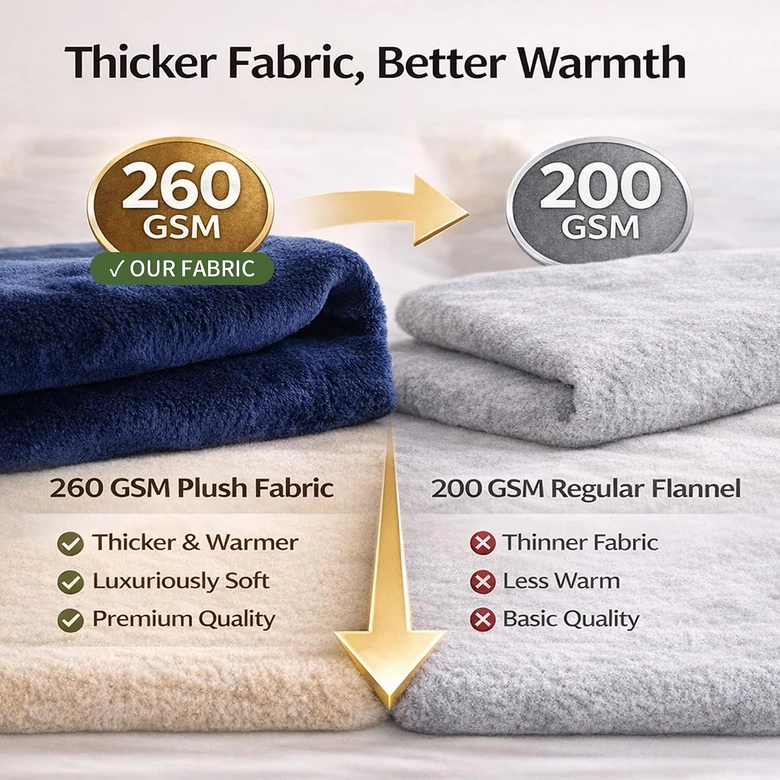
Fabric softener does harm here. It works by coating fibres with a thin lubricant. On cotton towels that is the point. On fleece it makes the pile cling and mat faster, and on any polyester it traps odour rather than releasing it. Skip it on everything on this site.
Dryer sheets are the same product in another form and have the same effect. If static is the problem, a damp washcloth thrown into the last ten minutes of the cycle does more, costs nothing and leaves no coating.
Colour-catching sheets are the one that earns its place, and only for the first two or three washes of anything dark. Plaids and deep navies in this category do bleed at first, and a sheet in the drum is cheaper than a grey load.
Detergent quantity matters more than detergent brand. Too much leaves residue in a knit that stiffens it, which people then blame on the fabric. Half the scoop the bottle recommends is enough for a load of sleepwear, which is light and rarely soiled.
From the bench







Women's Knit Lounge Top, Light Pink / Light Pink Plaid
knit · long sleeve · buttons
4.5 out of 5 · 52 ratings

$33.99


Storage between seasons
Half the pieces here are seasonal by nature, and how they are stored for six months decides how they come out.
Fleece should be stored clean and loose. Body oils left in the pile oxidise over a summer and come out as a faint yellow at the collar that no wash removes afterwards. Loose matters too: a fleece robe compressed at the bottom of a box for six months keeps the compression, and the pile never fully recovers.
Cotton should be stored dry and dark. Dry because damp cotton in a warm cupboard is where mildew starts, and dark because sunlight through a shelf fades folded edges in a way that shows as pale lines when it comes out.
Neither should be stored in the plastic bag it arrived in. Plastic holds whatever moisture was in the fabric when it went in, and six months is long enough for that to matter.
The vacuum bag question
Vacuum bags are fine for cotton and bad for fleece, for the compression reason above. If space is the constraint, compress the cotton and let the fleece take the room.
Repairs worth making and ones that are not
Sleepwear fails in a small number of predictable places, and two of them are worth ten minutes with a needle while two are not.
Worth repairing: a drawstring that has pulled out of its channel, which is a safety pin and five minutes. And a seam that has opened at the crotch or the underarm, which is where the strain goes and where a straight stitch holds indefinitely.
Not worth repairing: elastic that has lost its recovery, because replacing a waistband properly costs more time than the garment is worth. And a matted fleece pile, which cannot be restored at all. A shaver takes the pills off and the surface underneath is still matted.
The honest arithmetic on this catalogue: pages run from $9.99 to $49.68, and the median is $26.99. At those figures a repair that takes an hour is rarely the right call, and the two five-minute ones almost always are.
A wash routine by shelf
Everything above, arranged by what you actually own. Settings are the ones that keep a piece looking new rather than the ones the label permits.
| Shelf | Wash | Dry | The one thing to avoid |
|---|---|---|---|
| Pajama sets | Cold, both halves together | Low tumble or hang | Splitting the set across two loads |
| Robes | Cold, inside out if fleece | Low tumble, shake out first | Fabric softener |
| Bottoms | Cold | Low tumble | High heat, which shortens the rise |
| Sleep shorts | Cold | Hang | Overloading, which twists the waistband |
| Onesies | Cold, inside out, zip closed | Low tumble, dry flat if possible | The zip catching the pile |
| Sleep tops | Cold | Dry flat if knit | Hanging a wet knit by the shoulders |
Two entries in that table are worth expanding. Closing a zip before washing a onesie is not fussiness: an open metal zip in a drum is a small saw, and it finds the pile of whatever is next to it. And drying a knit top flat is the difference between it keeping its length for years and gaining half an inch in the first month.
Why the second winter is the test
Almost nothing in this category fails in its first season. Cotton keeps its colour, fleece keeps its loft, knit keeps its shape, and a set bought in October looks new in March. That is why the reviews written after a month are so uniformly positive and so uninformative.
The second winter is where the differences show. By then a fleece robe has been through perhaps twenty five washes, and the collar either still stands or it does not. A cotton set has taken its shrink and either fits or does not. A knit top has been hung wet a few times or it has not, and the hem tells you which.
Everything in this guide is aimed at that second season rather than the first. Cold water, low heat, no softener, sets washed together: none of it changes how a piece looks in November, and all of it changes how it looks fourteen months later.
Which is also the honest case for buying one good piece instead of two cheap ones in this category, and we say it knowing exactly how it sounds coming from a shop.
Hand washing, and when it is worth it
Hand washing has a reputation for being the gentle option, and for two of the five fabrics here it genuinely is. For the other three it is worse than a cold machine cycle, which surprises people.
Satin is the clear case for hands: no drum, no zips, no agitation, and the whole piece takes four minutes. Fine knits are the second, particularly anything with a loose stitch that can snag.
Fleece is the clear case against. Getting fleece properly rinsed by hand is difficult because the pile holds detergent, and detergent left in fleece is what stiffens it. A machine on a cold cycle with an extra rinse does a better job than a sink ever will.
Cotton sets and lounge bottoms sit in the middle: hand washing does no harm and no particular good, and the wringing people do afterwards causes more creasing than a spin cycle.
If you do wash by hand
Press the water out against the side of the basin rather than wringing, roll the piece in a towel to take the rest, then dry flat. Wringing is what puts a permanent twist into a knit, and it is the most common mistake in hand washing anything.
What a symbol chart cannot tell you
Care symbols are a compact language, and their compactness is the problem. The tub with a number is water temperature. The square with a circle is a dryer, and the dots inside it are heat. A crossed-out symbol is a prohibition. That is most of the alphabet, and it takes a minute to learn.
What the symbols cannot express is anything conditional, and almost everything useful about this category is conditional. There is no symbol for wash the two halves of a set together, none for dry a knit flat, none for turn fleece inside out, and none for skip the softener. All four of those matter more to how a piece ages than the difference between a thirty and a forty degree wash, and none of them can appear on a label.
That gap is the reason this guide exists at all. The label gives you the floor, in a language designed to fit on a strip of tape. Everything above the floor is habit, and habit has to be written out in sentences.
From the bench

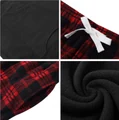
Men's Cotton Pajama Set, Navy
cotton · buttons
4.3 out of 5 · 2,352 ratings





Size L only in this colour
$26.98

When the label and the garment disagree
Occasionally the sewn-in label and the description disagree, usually about fibre percentages. When that happens, the label wins: it is the regulated statement attached to the physical garment you are holding, and it is the one written for that production run.
Our pages print what the specification we hold states, and where it states nothing, the line is absent rather than guessed. If a label that arrives contradicts a page here, that is worth a message: it is the kind of correction we can actually make.
Two other guides pick up where this one stops. Which size survives the wash is a sizing question: sizing sleepwear you will never try on. Which fabric belongs in your bedroom in the first place is a warmth question: what fabric weight does to a night. Together they cover most of what arrives in the inbox.
Sources
- 16 CFR 423, Care Labeling of Textile Wearing Apparel, Electronic Code of Federal Regulations, read 7 September 2026.
- 16 CFR 303, Textile Fiber Products Identification Act rules, Electronic Code of Federal Regulations, read 7 September 2026.
Before you go